


'I'm a converted guy already': Lawmakers from Africa find warmth in Siberia
RT.com
02 Oct 2025, 21:43 GMT+10
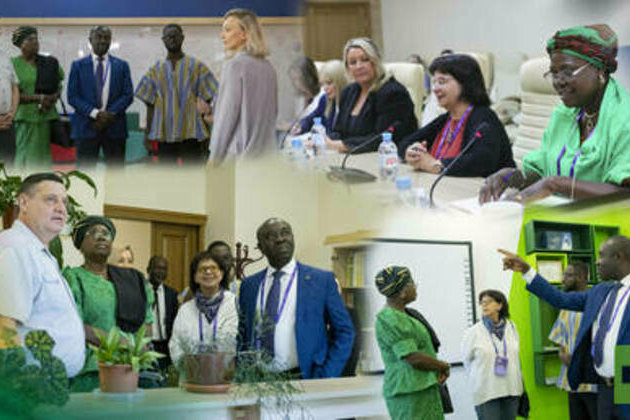
Ghanaian MPs share their impressions about Russia and the relations between the two countries
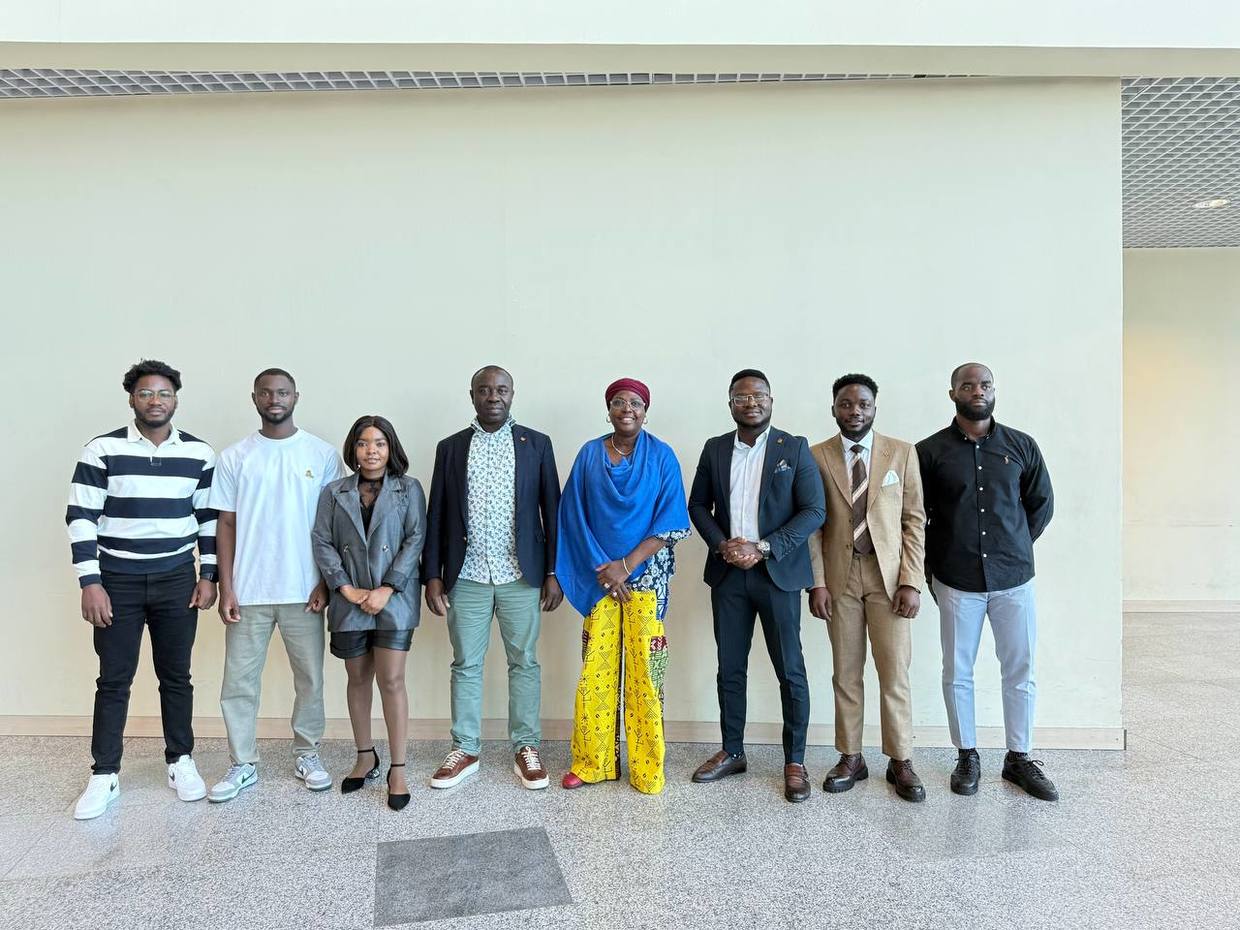
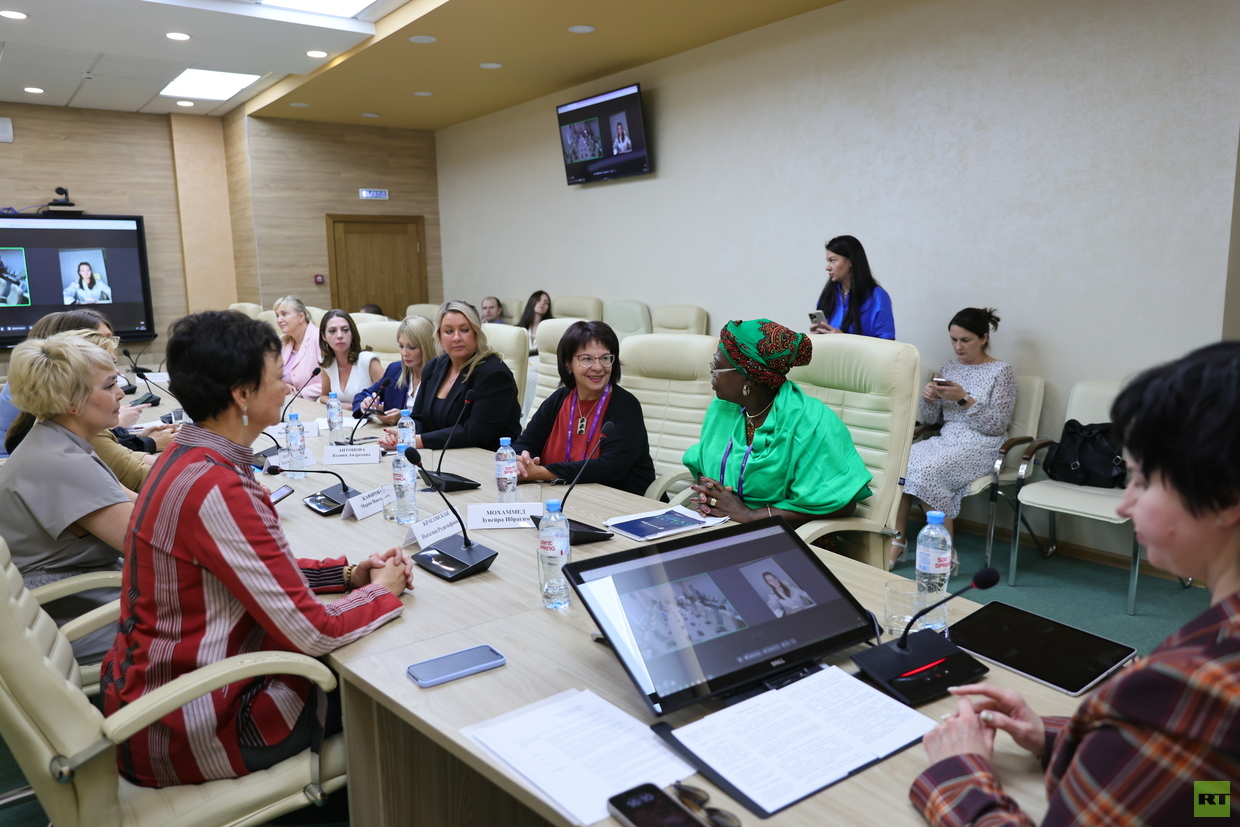
As Russia's Technoprom-2025 forum opened in Novosibirsk late in August, two Ghanaian lawmakers, Zuwera Mohammed Ibrahimah and Emmanuel Kwadwo Agyekum, found themselves far from Accra in a country they admitted had defied their expectations. They arrived anticipating a Russia whose people, like its climate, are often portrayed as cold and hostile - but left describing warmth, hospitality, and "real opportunities" for Africa they are eager to seize for Ghana's development.
The MPs had spent five days in the Siberian city, joining scientists, government officials, and leading companies from around the world for discussions ranging from artificial intelligence to agricultural technology - exchanges they said were directly relevant to Africa's growth.
"I'm a converted guy already," Agyekum, who also serves as Ghana's minister of state in charge of special initiatives, told RT, explaining that what he saw in Russia was completely different from the negative image he had heard before his trip. Ibrahimah shared a similar sentiment, saying her second visit had only deepened her admiration for the country.
"The more I come, the more I like the place"
As Western governments seek to counter Moscow's presence in Africa amid accusations of a predatory agenda, Agyekum described his first visit to Russia as "transformative." "What you hear before you get to this country is completely different," he said.
Ibrahimah praised Russia's patriotism and discipline, calling them values worth emulating in Ghana. "I think the more I come, the more I like the place, the more I enjoy the experience, and the more I want to share the experience of Russia," she said.
That contrast - between the stereotype of a hostile Russia and the reality of what they called a "human-centered" society - left both MPs calling for broader cooperation beyond the military sphere often highlighted in Western coverage.
Russia-Africa ties are undergoing a sharp transition, as countries across the continent move away from reliance on traditional Western partners toward more diversified foreign engagement. In the Sahel, for example, Burkina Faso, Mali, and Niger have severed defense ties with France and sought closer partnerships beyond military and political cooperation with Moscow, which they consider as a more reliable ally. Others, which previously had limited engagement with Russia, are now pursuing deeper ties in the spirit of diversification. For its part, Moscow has declared Africa a priority in its foreign policy and has pledged to expand cooperation across multiple sectors.
For the Ghanaian MPs, the message is clear: Moscow is a 'capable' partner in Africa's growth, with scholarships, technology, and more on offer.
"Scholarships, labs, and more - what more can you ask for?"
Ibrahimah described Moscow's development model as "human-centered" and vowed, in her role with the Ghana-Russia Parliamentary Friendship Association, to push the frontiers of the partnership and ensure that Accra "takes full advantage of what Russia has to offer."
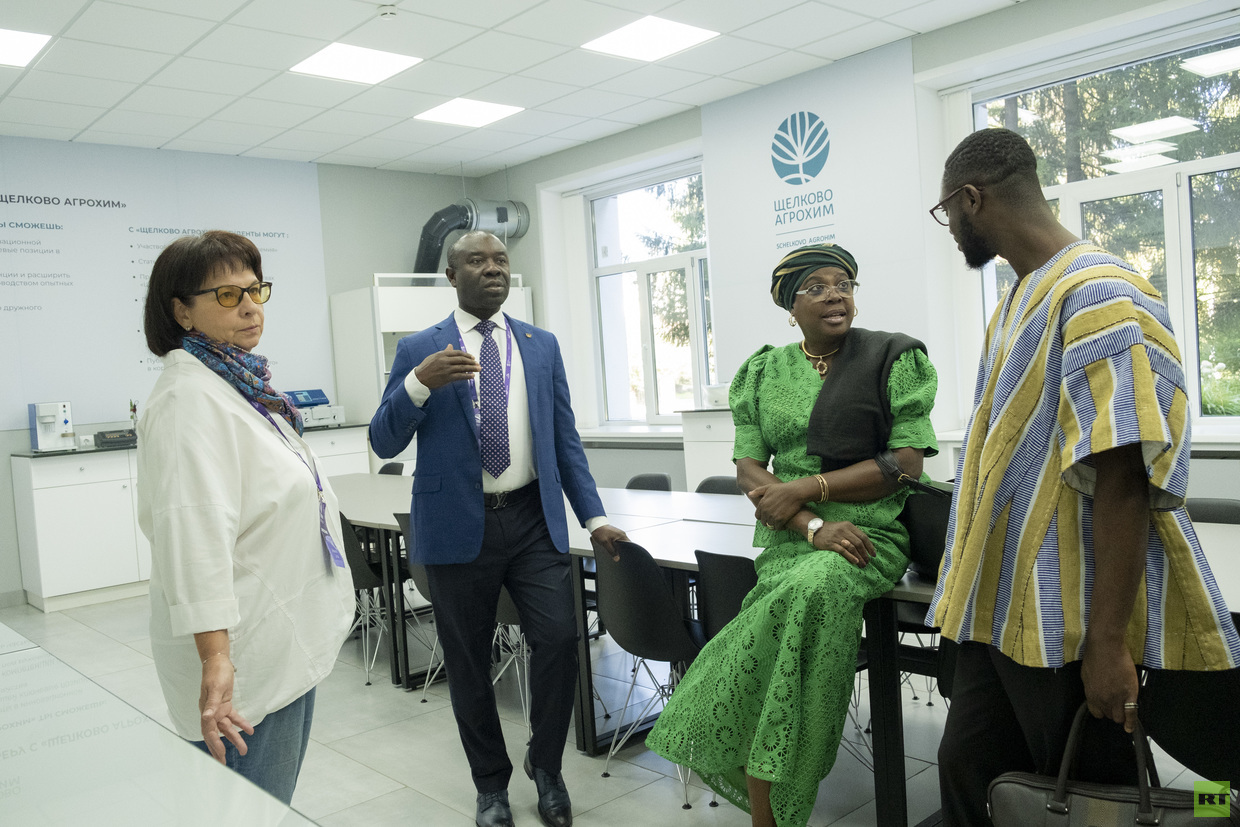
The MP announced she was returning home with "a promise" from Russian partners to build two ICT laboratories in Salaga South, the constituency she represents in parliament. The new agreements include full Russian government scholarships for students from Salaga South to study social sciences, agriculture, Technical and Vocational Education and Training (TVET), and technology at Novosibirsk State Technical University, Novosibirsk State University, and Novosibirsk State Agricultural University. She also secured commitments for Ghana-Russia women's initiatives in knowledge exchange and joint projects.
READ MORE: Africans are increasingly learning Russian. Why?
"If the Russian government says Ghana is allowed to bring students for the first year, which is the preparatory stage, and after that, when they enter university, they have full scholarship from the Russian government, what more can you ask for?" she noted.
"They are offering it to us. All we have to do is position ourselves and take advantage," she stated.
Commenting broadly on education partnerships with Russia, Ibrahimah said Ghana is seeking to train its human resources and requires an "intellectual base and cutting-edge training that speaks directly" to advancement.
"AI is driving development in the world, agricultural mechanization is driving the world, energy is what we need to drive our industries - and Russia has the capacity to support us in these areas," she stressed.
Her remarks come at a time when student exchanges with Russia are on the rise. UNESCO data shows that 6.4 million students studied abroad in 2023, with Russia ranking seventh globally in 2024, hosting 376,000 foreign students - about 8.5% of global enrollment. At the 2023 Russia-Africa summit, President Vladimir Putin announced that scholarships for African students funded by Russia had risen 150% in three years. In November, Rossotrudnichestvo, the federal agency in charge of cultural and educational exchanges, said Africans now lead in applications to Russian universities, with over 14,000 submissions for the 2024-2025 academic year alone.
Last year, the Patrice Lumumba Peoples' Friendship University in Moscow and Ghanaian firm the Jospong Group announced a five-year scholarship initiative to allow 600 students from the former British colony to pursue degrees in agriculture, information technology, waste management, and climate change until 2029.
"Russia was never part of colonization"
Ghana established diplomatic relations with the Soviet Union in January 1958, barely ten months after breaking free from British colonial rule. Its first president, Kwame Nkrumah, though educated in the US and Britain, heavily leaned on Soviet support for industrial and educational cooperation.
After a lull in the post-Cold War years, ties were revived in the 2000s, anchored by the creation of a Ghana-Russia Parliamentary Friendship Association to drive legislative diplomacy and economic cooperation. Trade, energy, and education links expanded under successive governments, and with John Mahama's return to the presidency in January, Accra and Moscow have signaled renewed determination to deepen cooperation.
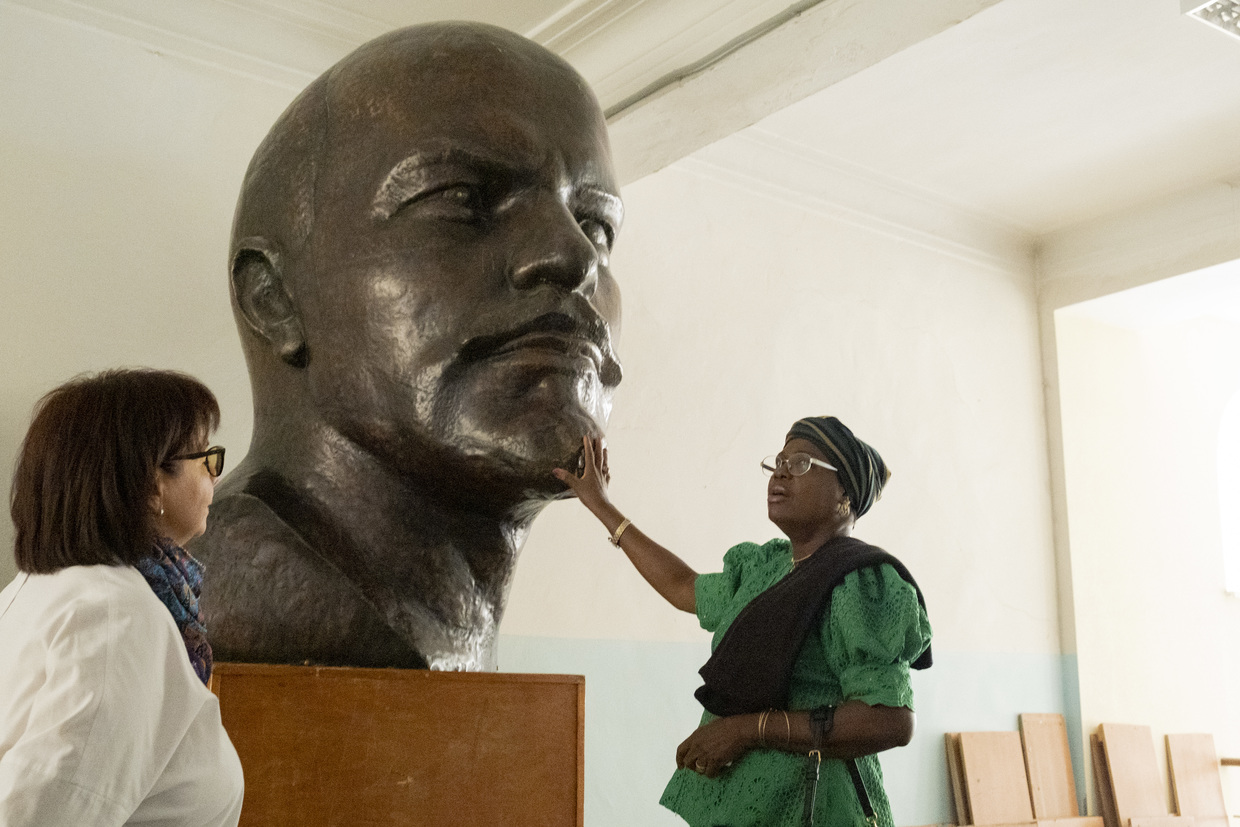
In a congratulatory message following Ghana's December 2024 election, President Putin expressed confidence that Mahama's efforts during his tenure will strengthen the "traditionally friendly" ties between Russia and Ghana.
Ibrahimah told RT that the Ghana-Russia Parliamentary Friendship Association would now receive "super extraordinary attention" under the new government. "We are going to leverage this relationship very seriously," she declared, adding that the initiatives would help tackle youth unemployment, women's empowerment, and farming modernization in her rural constituency.
Cultural links are also part of the conversation. In March, Natalia Krasovskaya, executive director of the Center for Public Diplomacy, said Moscow had secured an agreement to open a culture and education center in Ghana, the first English-speaking African country to join the Russian House partnership network, which already includes more than a dozen countries.
Ibrahimah spoke in favor of Ghana introducing Russian language studies in schools, arguing it would better prepare students for higher education in Russian universities. "Russia was never part of the colonization process, so we don't have Russian being taught in our schools," she said, noting that English remains the main instructional language while French is also taught.
"Russia has to do more business in Africa"
At the INNOPROM-2025 industrial forum in Ekaterinburg on July 6, Russian Export Center vice president Tatyana An said Africa was becoming an increasingly important market for Russian exporters, offering vast untapped potential for trade and investment.
Yet Russia's trade turnover with the continent remains modest - something President Putin has acknowledged - while assuring that Moscow is working to expand results. Speaking at the 15th VTB Russia Calling! Investment Forum in Moscow in December, Putin announced plans for a special fund to support Russia-Africa partnerships and noted that trade had grown to $24.5 billion by the end of 2024. By contrast, China has retained its position as Africa's biggest economic partner, with trade hitting a record $295.6 billion in 2024.
For Agyekum, the priority is trade. He said that while Russia has been active in several sectors, particularly by offering education opportunities, it should now focus on trade, investment, and unlocking Africa's vast resources.
"I think what Russia hasn't been able to do is more business in Africa. That's a huge opportunity. We need to look at trade and economics. If we work together, we will achieve a lot," he said.
The minister said Russia could step up imports of Ghana's products such as cocoa and gold while supplying technology and expertise to boost farm yields and protect soil in the agricultural sector. He said he had invited Russian business owners at the Technoprom forum to explore opportunities in Ghana, not only in agriculture and mining but also in tourism.
"Tourism is key. Africa is the right place to come in terms of safari, hotels, beaches. Things are good in Africa for Russians to come," he said.
Nkrumah once said Ghana's partnerships should be judged not by ideology but by what they delivered - a principle that shaped the early years of Ghana-Russia ties. As Accra now seeks deeper cooperation, this momentum could revive what the Russian Foreign Ministry has called the "golden era" of bilateral relations from the late 1950s to the mid-1960s. The question now is whether Ghana's push in culture, technology, and trade - with opportunities still to be unlocked - can evolve into a model that helps Africa move beyond old dependencies.
 Share
Share
 Tweet
Tweet
 Share
Share
 Flip
Flip
 Email
Email
Subscribe and Follow
Get a daily dose of Johannesburg Life news through our daily email, its complimentary and keeps you fully up to date with world and business news as well.


News RELEASES
Publish news of your business, community or sports group, personnel appointments, major event and more by submitting a news release to Johannesburg Life.
More InformationFBI chief’s replica pistols ruled illegal in New Zealand and destroyed
WELLINGTON, New Zealand: During a July visit to New Zealand, FBI Director Kash Patel gifted local security chiefs replica pistols that...
Spirit gets up to $475 million as it restructures under Chapter 11
DANIA BEACH, Florida: Spirit Airlines has arranged up to US$475 million in new financing from existing bondholders to help keep its...
How Near-Death Experiences Challenge Our Understanding of the Mind
Near-death experiences (NDEs) are a widely reported yet poorly understood phenomenon. Though there is no agreed-upon definition of...
Israel detains 2 children suspected of spying
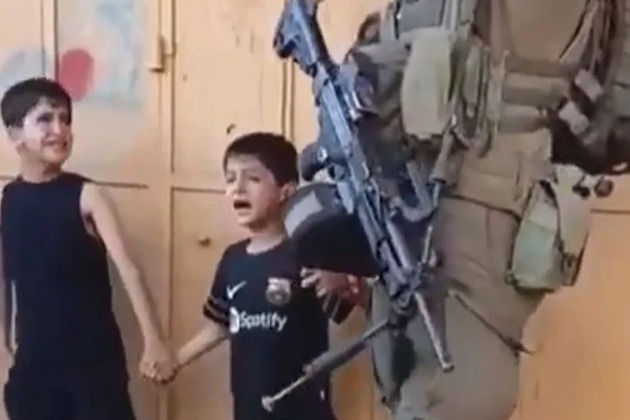
RAMALLAH, Palestinian territories - On Monday, Israeli forces detained two Palestinian children, aged five and six, in the Old City...
US court blocks USAGM layoffs, preserves Voice of America staff
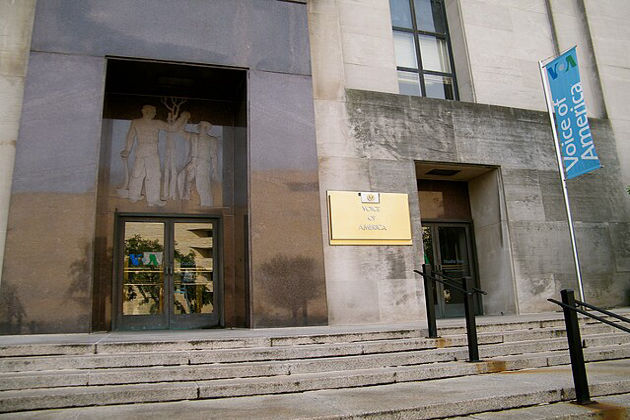
WASHINGTON, D.C.: A federal judge has temporarily blocked the Trump administration from cutting more than 500 jobs at the U.S. Agency...
Experts say TikTok mouth-taping hack is unsafe, unproven

SALEM, Oregon: Taping your mouth shut at night may sound like a nightmare — but it's gaining traction on social media as a supposed...
Romance, sextortion scams targeted in Interpol operation in Africa
DAKAR, Senegal: Interpol says a coordinated crackdown on cybercrime across 14 African countries has led to the arrest of 260 people...
Nigerian judge rejects move to dismiss charges against IPOB Leader
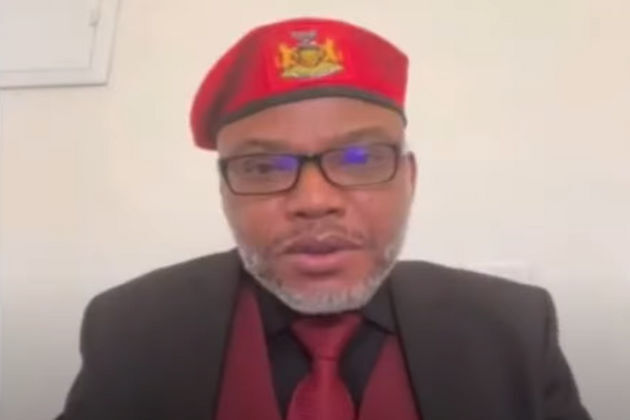
ABUJA, Nigeria: A Nigerian court has rejected a bid to dismiss terrorism charges against separatist leader Nnamdi Kanu, ruling that...
Tanzania: Deepening Repression Threatens Elections
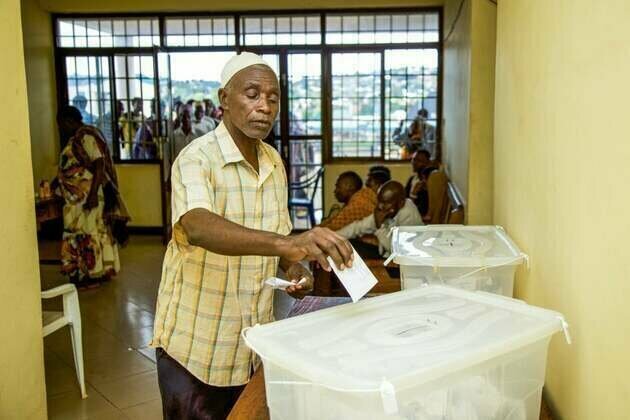
(Nairobi) - The Tanzanian government has intensified political repression, raising grave concerns that the general elections scheduled...
Sudan's capital confronts Nile's wrath in record flood
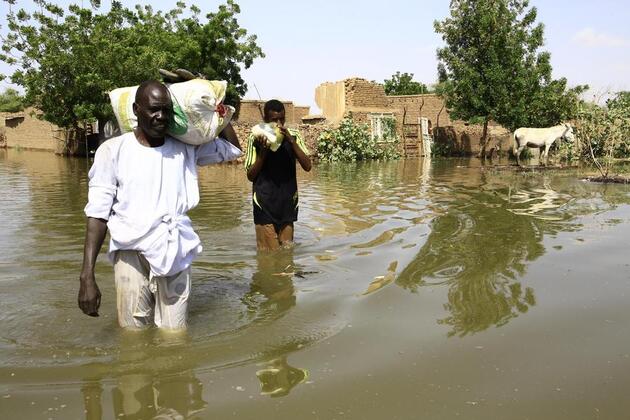
KHARTOUM, Oct. 2 (Xinhua) -- In the outskirts of Wad Ramli, north of Sudan's capital Khartoum, the familiar passageways have vanished....
China's high-quality, sustainable cashmere industry weaves warmth for world
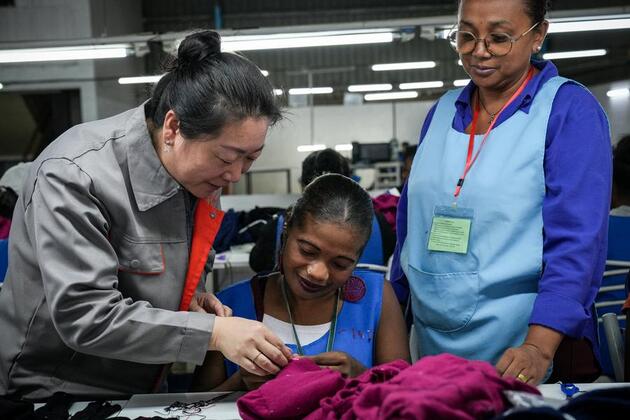
HOHHOT, Oct. 2 (Xinhua) -- As autumn brings cooler temperatures to the Northern Hemisphere, demand for cashmere sweaters climbs. On...
'I'm a converted guy already': Lawmakers from Africa find warmth in Siberia
Ghanaian MPs share their impressions about Russia and the relations between the two countries ...
